As an Amazon Associate, we earn from qualifying purchases. Some links may be affiliate links at no extra cost to you. Although our opinions are based on curated research, we haven't used these products. Articles generated with AI.


Brushed Vs Brushless RC Tank Motors: Pros And Cons

When choosing between brushed and brushless RC tank motors, several factors come into play. Brushed motors are budget-friendly, generally costing €14 to €51, but require regular maintenance due to wear. They provide decent torque and speed. In contrast, brushless motors, ranging from €43 to €294, offer double the torque efficiency, longer lifespan, and lower maintenance needs. While brushed motors are accessible, brushless options excel in performance and durability. This guide will explore the details further!
Key Takeaways
- Cost Differences: Brushed motors are more affordable (€14 to €51), while brushless motors cost more (€43 to €294), impacting initial investment.
- Performance Efficiency: Brushless motors deliver 85-95% efficiency, outperforming brushed motors at 75-80%, offering better acceleration and speed.
- Maintenance Needs: Brushed motors require regular cleaning and lubrication, while brushless motors need minimal maintenance and less frequent servicing.
- Durability: Brushless motors generally last 5 to 6 years with minimal upkeep, whereas brushed motors may incur higher long-term maintenance costs.
- Customization and Compatibility: Motor selection should consider tank design specifics and performance needs, balancing desired enhancements with budget constraints.
Overview of Brushed Motors
You may be interested

10 Best 1:16 Scale RC Tanks for Ultimate Off-Road Adventures in 2026
December 17, 2025


10 Best 1:35 Scale RC Tanks for Epic Battlefield Adventures
December 17, 2025
Brushed motors, a staple in the world of remote-controlled (RC) vehicles, bring a blend of simplicity and efficiency that appeals to hobbyists of all levels. These motors, utilizing straightforward construction methods that feature physical brushes and a commutator, provide reliable performance. Commonly found in sizes like 540 or 550, they offer varying torque characteristics, such as 500gf-cm for a 23T motor at 7.2V. While brushed motors reach impressive RPMs—up to 27,500 for a 23T design—they do experience mechanical wear and energy loss due to friction. However, their cost-effectiveness and easy compatibility with basic electronic speed controllers make them an attractive option for budget-conscious enthusiasts. With these qualities, brushed motors remain a popular choice among the RC community. Additionally, durable metal gearboxes found in many RC tanks enhance the overall performance and longevity of brushed motor setups.
Overview of Brushless Motors

When exploring the world of RC vehicles, particularly tanks, brushless motors emerge as a game-changer, far surpassing the limitations of their brushed counterparts. These motors utilize an innovative design, positioning permanent magnets on the rotor while integrating stationary coils on the stator. By employing electronic commutation instead of mechanical methods, brushless motors achieve exceptional efficiency and durability.
Various motor types, including outrunners and inrunners, offer versatility for different applications. The absence of brushes eliminates wear points and reduces maintenance needs, while the electronic speed controller (ESC) allows for precise adjustments in speed and torque, enhancing overall performance. Together, these features make brushless motors an attractive choice for enthusiasts seeking power, longevity, and efficiency in RC tanks. Additionally, terrain compatibility plays a crucial role in the performance of these motors, ensuring that your tank can handle various surfaces effectively.
Recommended Products
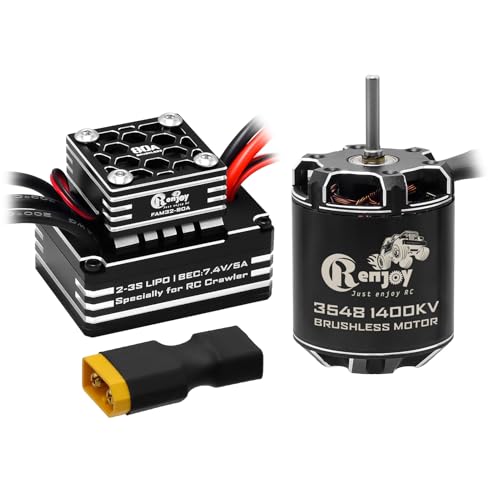
Made of high quality metal material, wear-resistant, anti-rust, solid and long-lasting

Note: Only compatible with Hobby Fans specific programming card. If the esc led light keeps flashing and beeping when the connection completed, please: 1) Rebinding the controller and its receiver; 2) Readjust the neutral position of the controller throttle

Name: Brushless Motor; Model : A2212-13; KV : 1000RPM/V
Performance Comparison

In the domain of RC tank motors, the debate between brushed and brushless technologies often boils down to performance distinctions that can considerably impact the user’s experience. Brushless motors generally excel with power output, delivering double the torque efficiency compared to their brushed counterparts. This advantage translates into exhilarating acceleration and higher speeds, ideal for competition settings. Additionally, brushless motors boast impressive efficiency rates of 85-95%, while brushed motors lag at 75-80%, leading to quicker battery drain. The reduced friction in brushless designs equates to lower heat generation, extending battery life considerably. Ultimately, for users seeking performance and longevity in their RC tanks, brushless motors frequently emerge as the superior choice, ensuring an exhilarating and reliable driving experience.
Recommended Products

Note: Only compatible with Hobby Fans specific programming card. If the esc led light keeps flashing and beeping when the connection completed, please: 1) Rebinding the controller and its receiver; 2) Readjust the neutral position of the controller throttle
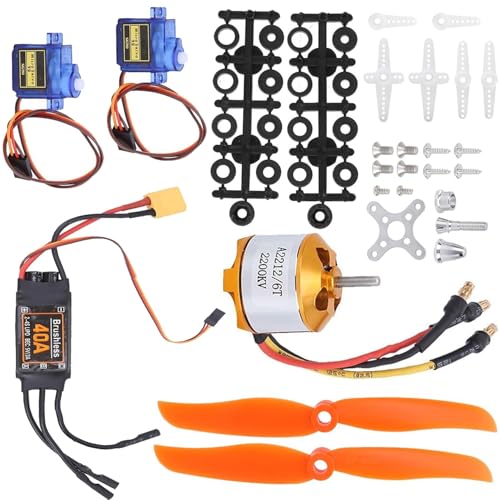
Easy to Install: The rc brushless motor installation and use is simple and does not require complicated operations, saving time and effort

Strong thrust, high efficiency, low power consumption, high performance, exquisite workmanship, easy to install, it is used to replace the damaged or unusable motors, with simple operation.
Cost Analysis

Understanding the cost dynamics of brushed and brushless RC tank motors is essential for making informed purchasing decisions.
Brushed motor pricing is enticing for newcomers, typically ranging from €14 to €51, making them budget-friendly. However, they may incur higher long-term costs due to frequent maintenance and replacements. On the other hand, brushless motors, priced between €43 and €294, offer better brushless motor efficiency, greatly enhancing durability and runtime. Although their upfront cost is higher, the reduced energy consumption can lead to savings in battery expenses. Additionally, many high-quality tanks, like the Heng Long German King Tiger RC Tank, utilize brushless motors to maximize performance.
Ultimately, while brushed motors suit beginners, brushless motors may be more economically favorable over time due to their longevity and efficiency, appealing to those ready to invest in enhanced performance.
Maintenance Requirements

Maintaining RC tank motors is essential for ensuring ideal performance and longevity, and the maintenance requirements significantly differ between brushed and brushless motors. Brushless motors require less frequent cleaning because they lack brushes, but occasional interior cleaning is important to remove dust and debris. In contrast, brushed motors need regular cleaning using effective cleaning techniques, focusing on the commutator to prevent functional impairment. For lubrication, brushless motors benefit from occasional bearing oil, while brushed motors need consistent attention to both bearings and brushes to reduce wear. Remember to apply lubrication tips wisely, using light oil to minimize dust attraction, and avoid over-lubrication, which can lead to buildup. Regular maintenance encourages ideal performance and enhances the overall lifespan of your RC tank motors, especially given the material quality of the models you choose.
Recommended Products

Premium Materials: The vacuum tire repair plug is crafted from high-quality materials, capable of withstanding road vibrations and tire pressure variations. It remains securely fixed during driving after repair, preventing secondary leaks caused by material fragility.

Drivetrain Fix: This 530 master link allows you to efficiently reconnect shortened or broken chains, restoring them to a complete loop. It is an indispensable part for replacing individual damaged links, keeps your vehicle's transmission system returns to full working order quickly

[High Quality Aluminum]The oil catch can is made of high quality aluminum to enhance strength and durability. This kind of oil collecting tank can ensure long-term stable performance.
Durability and Lifespan
When evaluating durability and lifespan, an essential distinction emerges between brushed and brushless RC tank motors. Brushless motors excel in longevity factors, boasting lifespans of 5 to 6 years with minimal maintenance. Their lack of brushes greatly enhances wear resistance, preventing mechanical breakdown. This design promotes better performance even in harsh environments, such as water and dirt, whereas brushed motors face wear from friction, necessitating regular brush replacements. As a result, while brushed motors may seem budget-friendly initially, their ongoing maintenance can accumulate costs over time. Thus, for those seeking reliability and long-term value, brushless motors present a viable option due to their robust construction, superior wear resistance, and reduced failure risks, ensuring consistent performance for passionate enthusiasts. Additionally, high-capacity Li-Ion batteries can further improve overall performance and playtime in RC tanks equipped with brushless motors.
Recommended Products
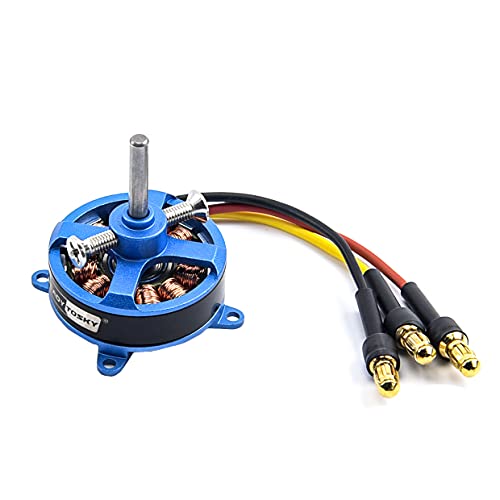
Model number: LE2204 1800KV motor Brushless Motor.
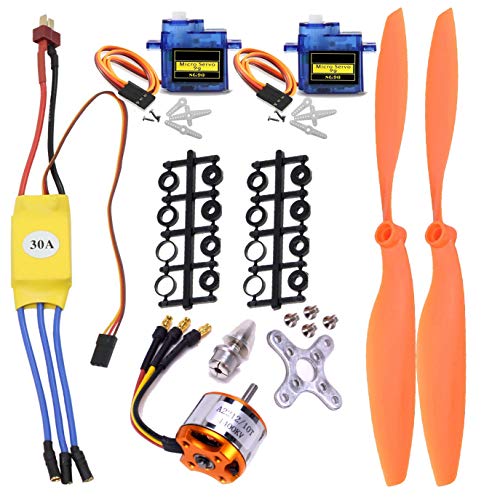
A2212 1400kv Brushless Outrunner Motor with connector, 12A/60s, fit for Battery 2-3 Li-Poly.

This motor can support 3-4s lipo battery, more powerful and better faster.
Application Suitability
In the domain of RC tank motors, the choice between brushed and brushless options greatly impacts application suitability. Brushed motors are perfect for beginners and hobbyists, offering low-cost solutions and smooth low-speed control, making them ideal for realistic crawling or scale models. Their strong torque characteristics excel in high-torque scenarios, performing reliably even in wet conditions. On the other hand, brushless motors shine in competitive settings, providing superior power output and higher speed potential, which is essential for fast-paced tank battles. However, they require advanced setup knowledge and electronic controllers. Ultimately, the right choice depends on the user’s goals, whether seeking affordability and ease or prioritizing performance and efficiency in exciting scenarios.
Technical Challenges
Selecting the right motor for an RC tank involves traversing a range of technical challenges that can impact performance, maintenance, and overall user experience.
Brushed motors offer control simplicity with straightforward operation, but they come with significant wear issues, requiring regular brush replacement and maintenance. In contrast, brushless motors enhance thermal efficiency by generating less heat, which prolongs component lifespan and improves energy use. However, they demand advanced electronic speed controllers (ESCs), introducing complexity and a steeper learning curve for users. This duality presents a balancing act for enthusiasts: opting for the durability and low maintenance of brushless motors while managing the need for precise programming can be intimidating, yet rewarding when maximizing RC tank performance. Additionally, durability of components plays a crucial role in ensuring the longevity and effectiveness of the chosen motor type.
Final Thoughts on Motor Selection
Considering the unique demands of RC tank operation, motor selection becomes an essential decision for enthusiasts aiming to optimize performance and reliability. When applying motor selection criteria, it’s crucial to weigh performance priorities such as efficiency, durability, and torque. Brushless motors excel in efficiency, offering higher power outputs with less heat, granting longer battery life. For example, larger brushless motors can exceed 600 watts, a significant advantage in competitive environments. On the other hand, brushed motors are more budget-friendly but require more maintenance due to wear and tear. Ultimately, enthusiasts should focus on balancing budget, performance needs, and specific tank designs to make certain their chosen motor complements their RC tank’s capabilities, thereby enhancing the entire experience.
Frequently Asked Questions
Can I Convert a Brushed RC Tank to Brushless?
Converting a brushed RC tank to brushless presents challenges, such as compatibility and installation complexity. However, the improved motor efficiency and performance can create a more exhilarating and engaging experience for passionate hobbyists.
Are Brushless Motors Compatible With All RC Tanks?
Brushless motors are not compatible with all RC tanks, facing significant motor compatibility issues. Installation challenges arise especially with control boards and chassis sizes, requiring careful modification and expertise for successful integration into existing systems.
How Do I Choose the Right ESC for Brushless Motors?
To choose the right ESC for brushless motors, one must consider ESC specifications like motor voltage compatibility and current rating. Selecting an appropriate ESC enhances performance, fostering a sense of belonging within the RC community.
What Are Common Brands for Brushed and Brushless Motors?
In an enthusiast’s RC tank, Tamiya and HPI exemplify common brushed brands, known for reliability. Meanwhile, popular brushless brands like Hobbywing and Castle Creations offer superior performance, appealing to those seeking advanced capabilities in their models.
Do Brushless Motors Require Special Wiring or Connectors?
Brushless motors indeed require special wiring and connector options. Unique wire types, including three-phase connections and hall sensor wires, necessitate careful management to guarantee compatibility and prevent potential failures during operation and maintenance in RC applications.